Proudly Canadian. Creatively Tenacious. Artist-owned & Operated.


Big Changes
PORTFOLIO
On April 10, 2024, a post by Ghee Beom Kim on the Facebook group Mathematical Tiling and Tessellation left me utterly captivated. It depicted a non-repetitive pattern, something I had been striving to achieve for years.
To fully understand what I was looking at, I delved deeper and discovered a recent finding known as an “aperiodic” mono-tile, affectionately nicknamed “The Hat”. For a better understanding of “The Hat” and its profound significance in science, mathematics, art, and design, I recommend watching the accompanying YouTube video posted by Oxford Mathematics.
In late February 2024, after several weeks in Spain, I was eager to return to the studio.
The task at hand was to continue seeking out possible pattern solutions that would contribute to enhancing visual engagement.
The hope was that I could find patterns with similar properties to an engaging puzzle. Anything that could evoke the type of engagement a teenager might experience while trying to solve a Rubik’s cube riddle. In other words, I was focusing on the idea that patterns can sustain a type of visual engagement when it is difficult to identify the repetitive characteristics of the pattern.
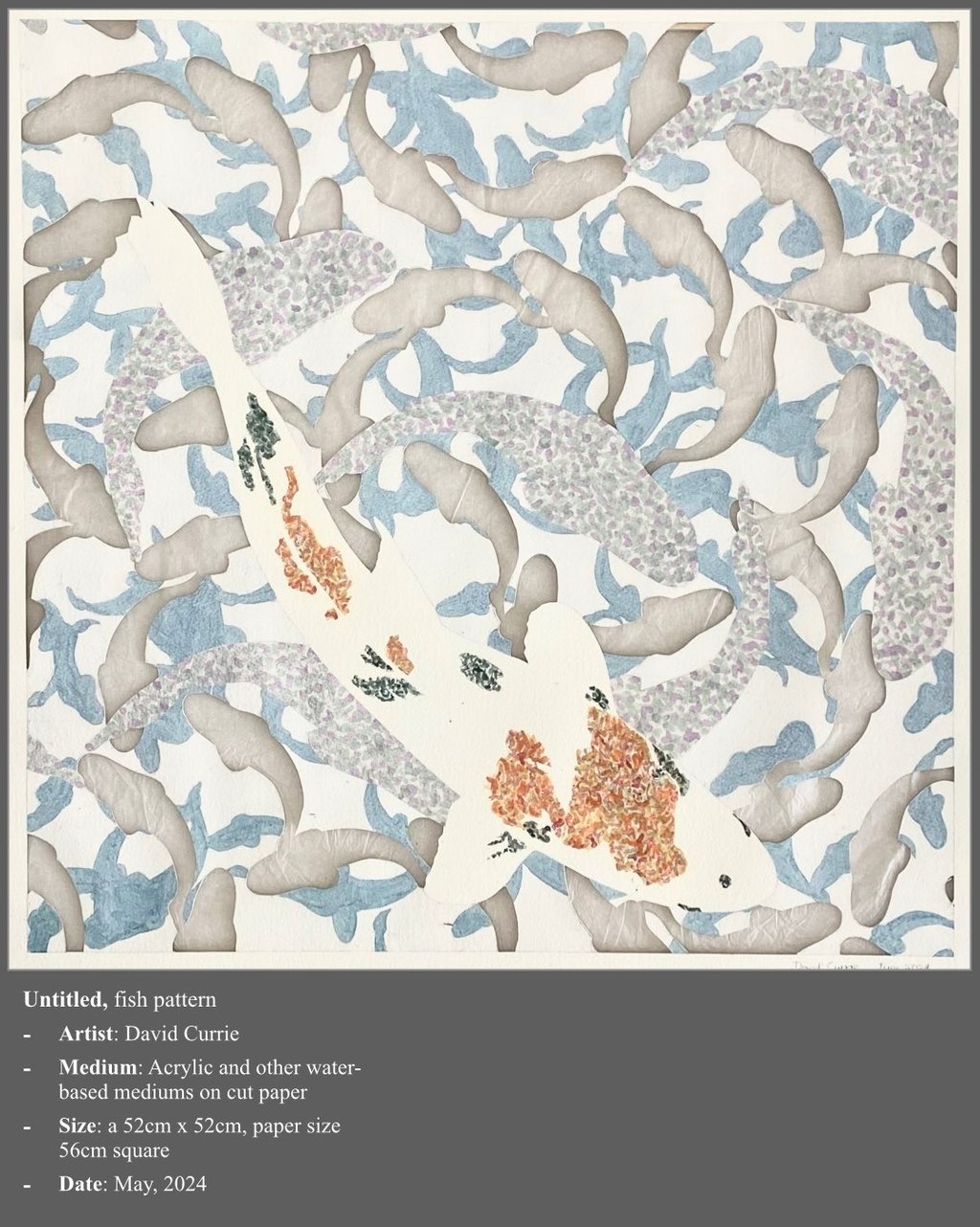
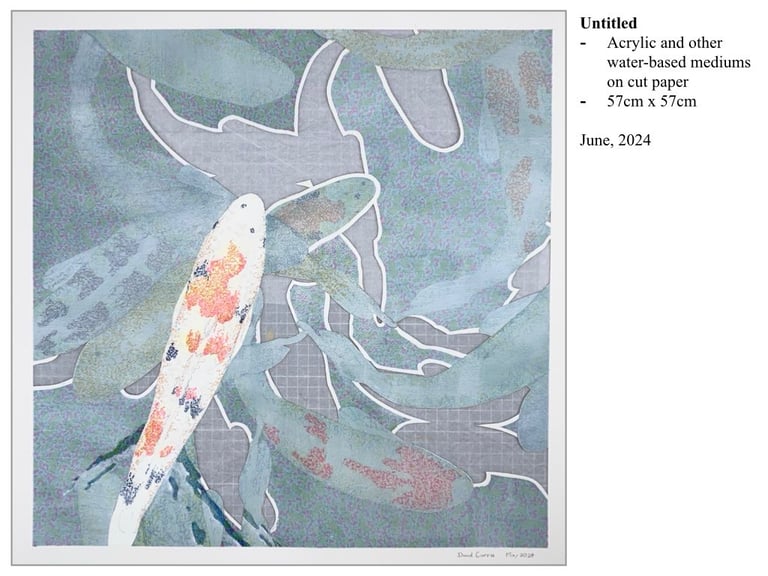
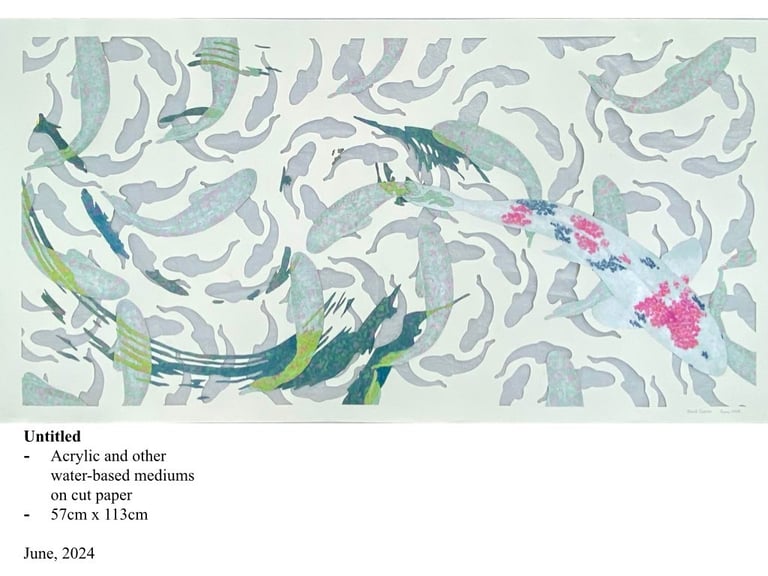
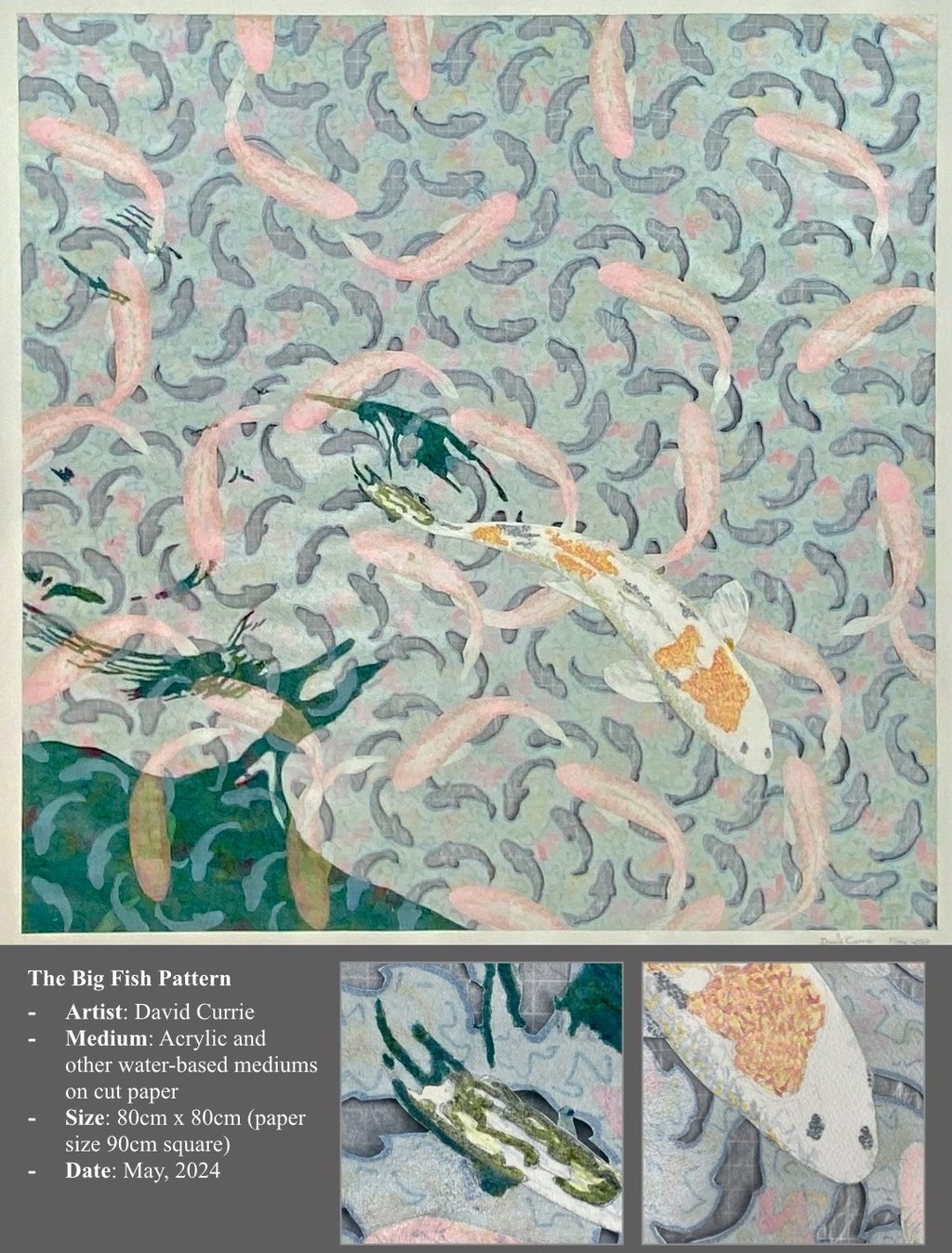
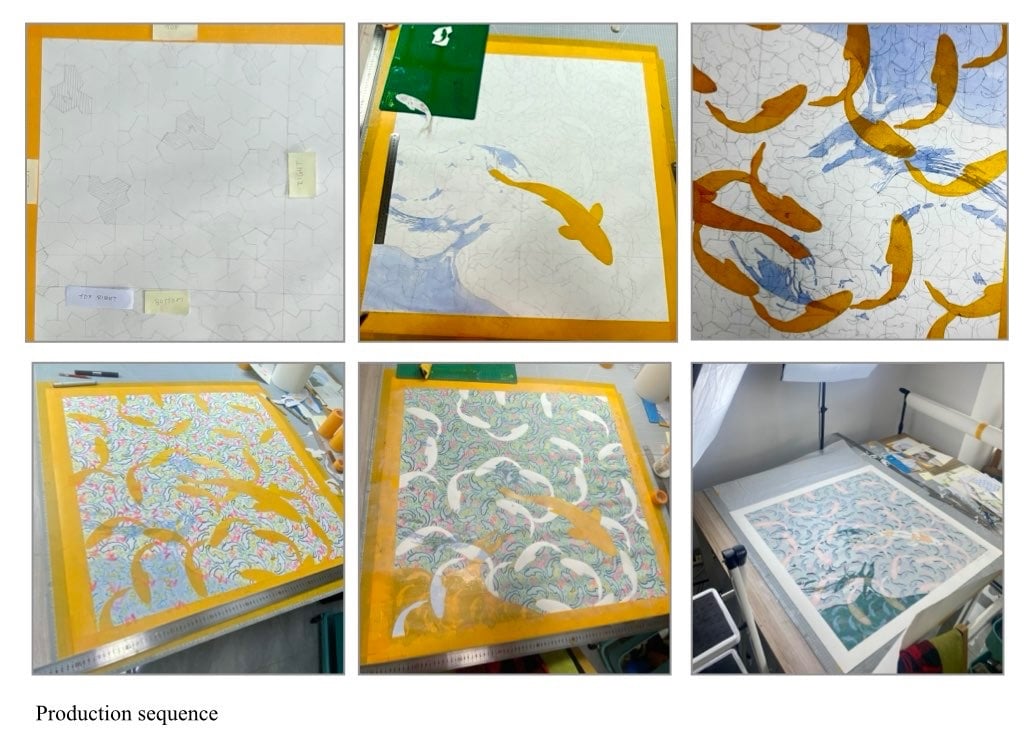
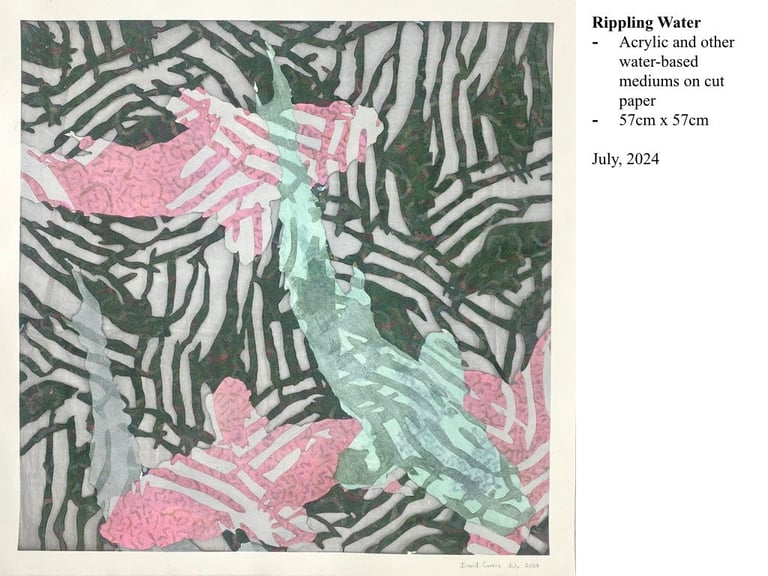
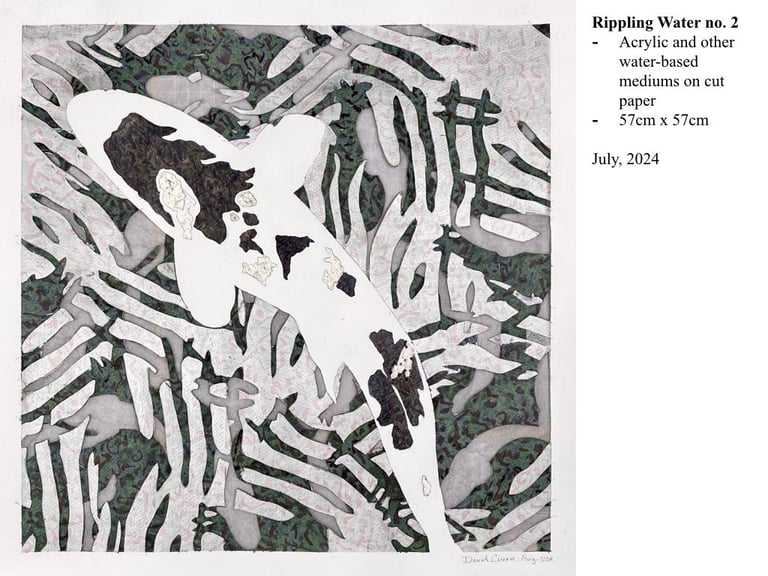
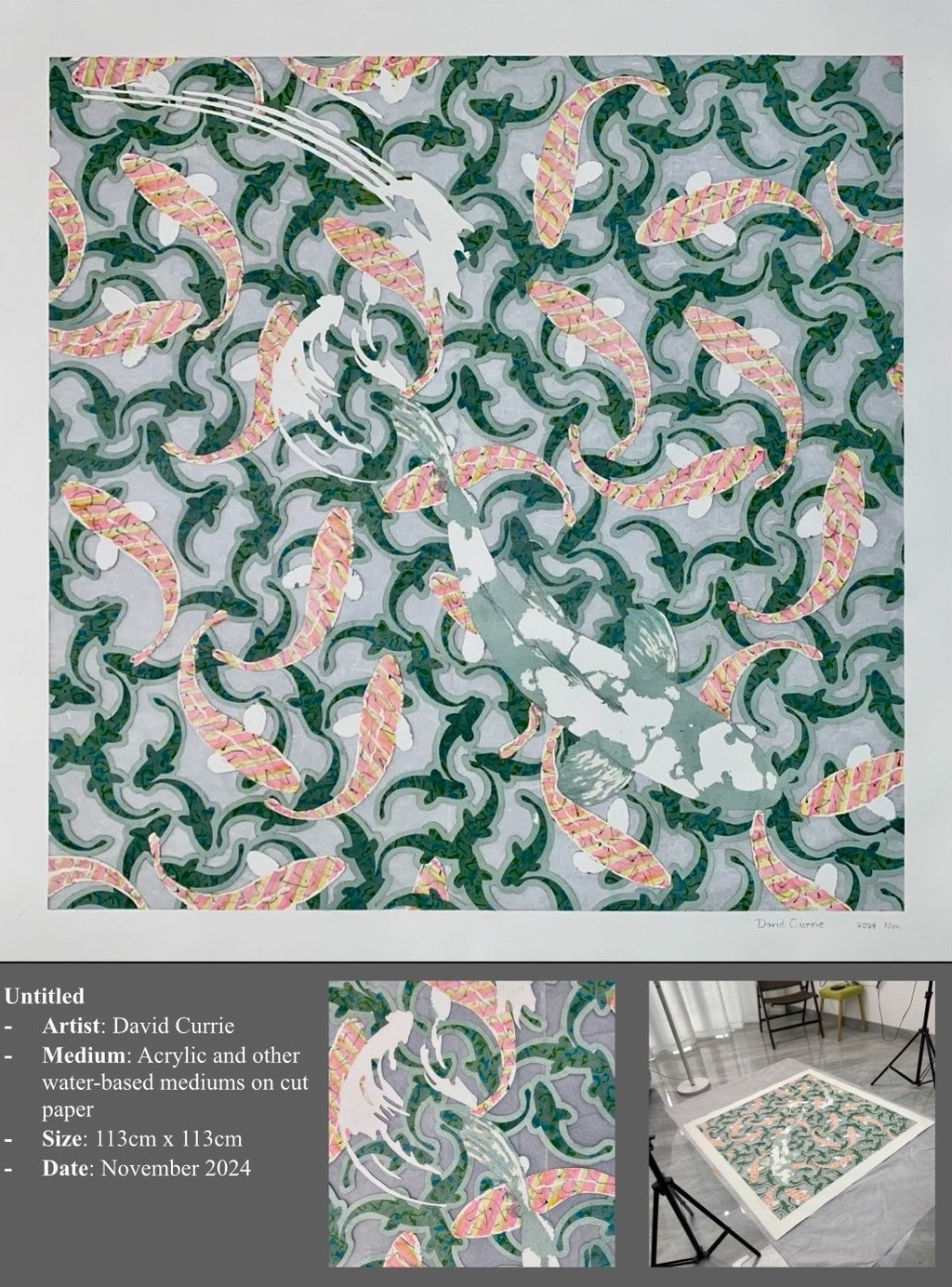
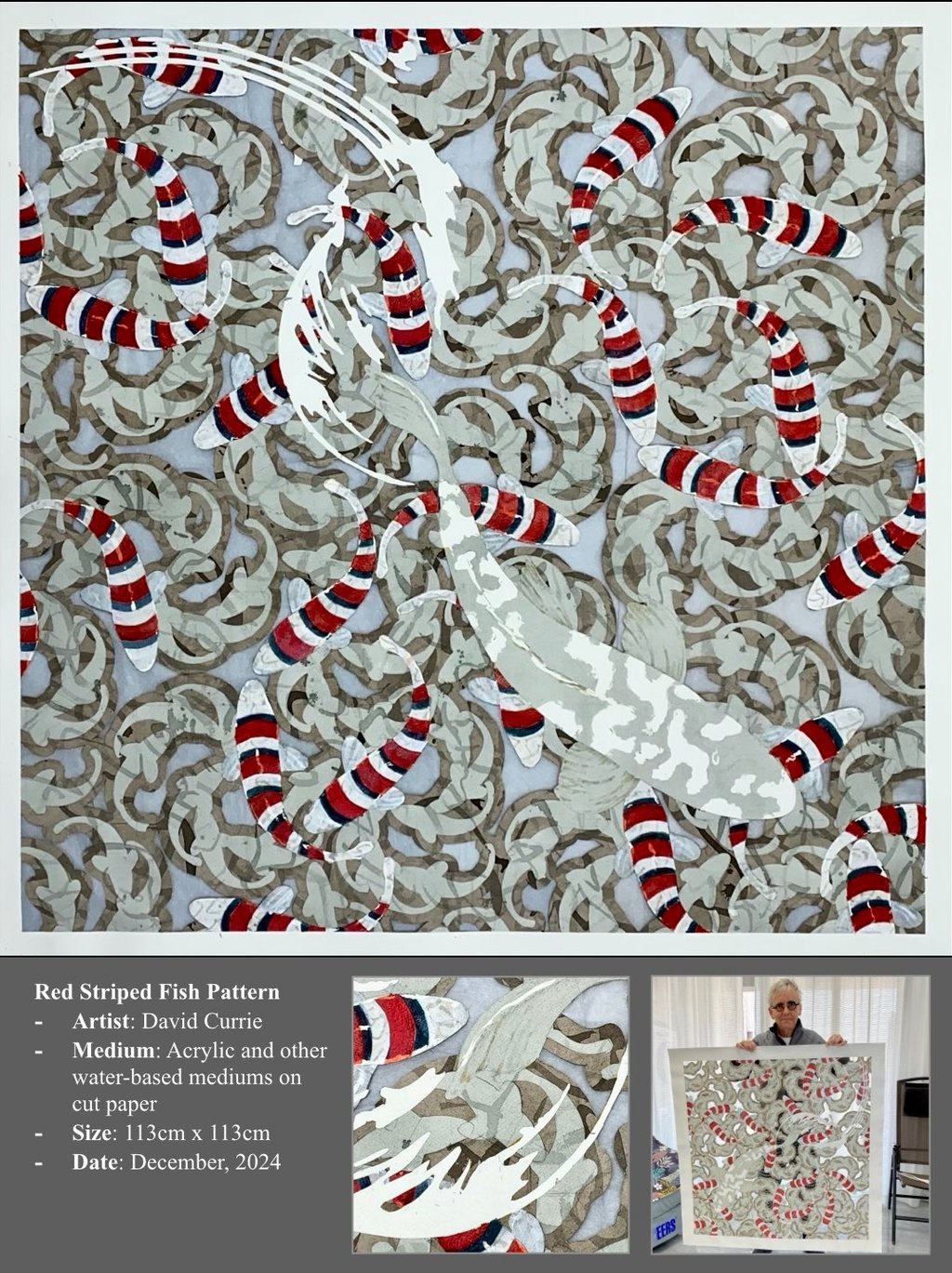
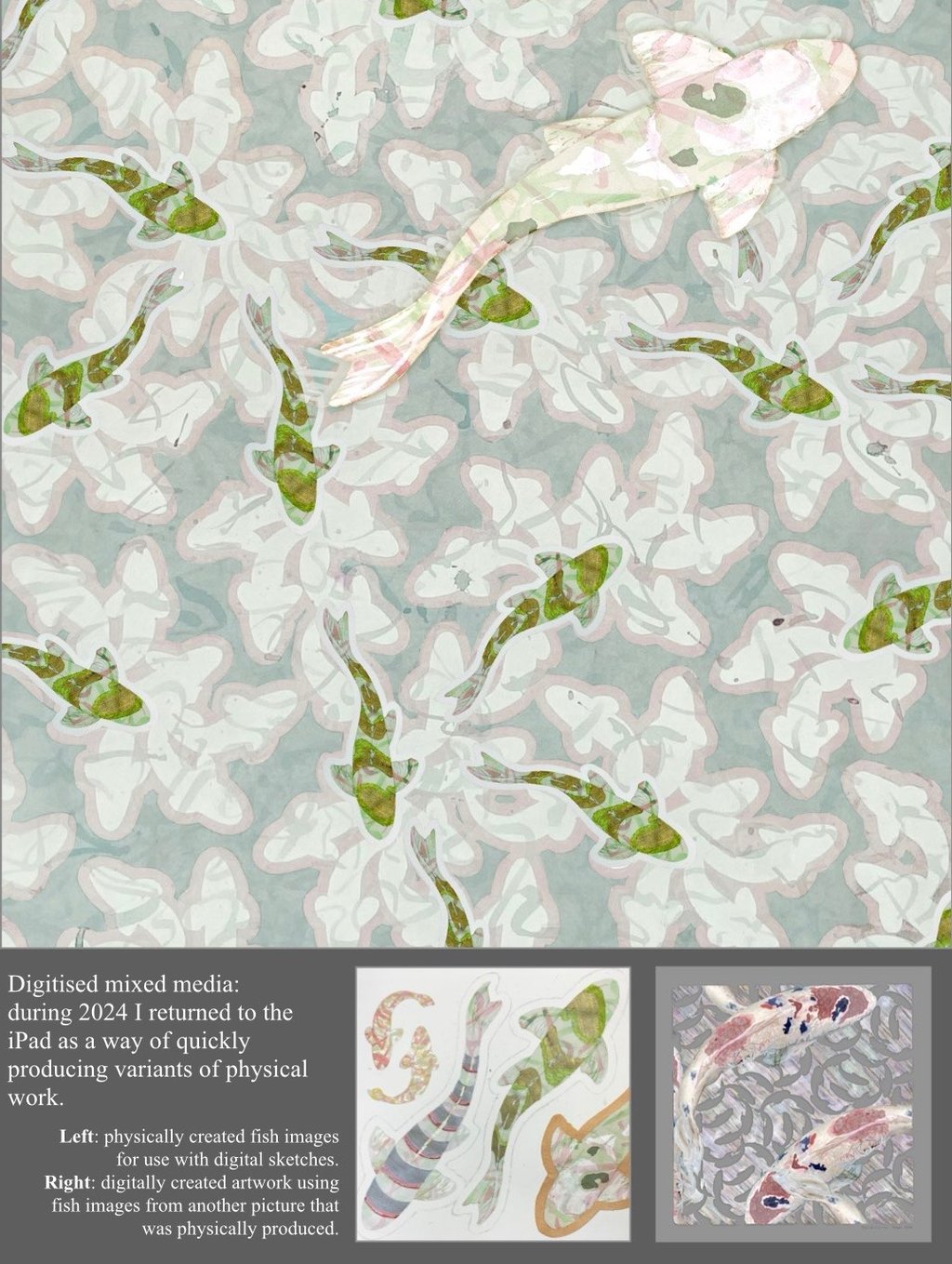
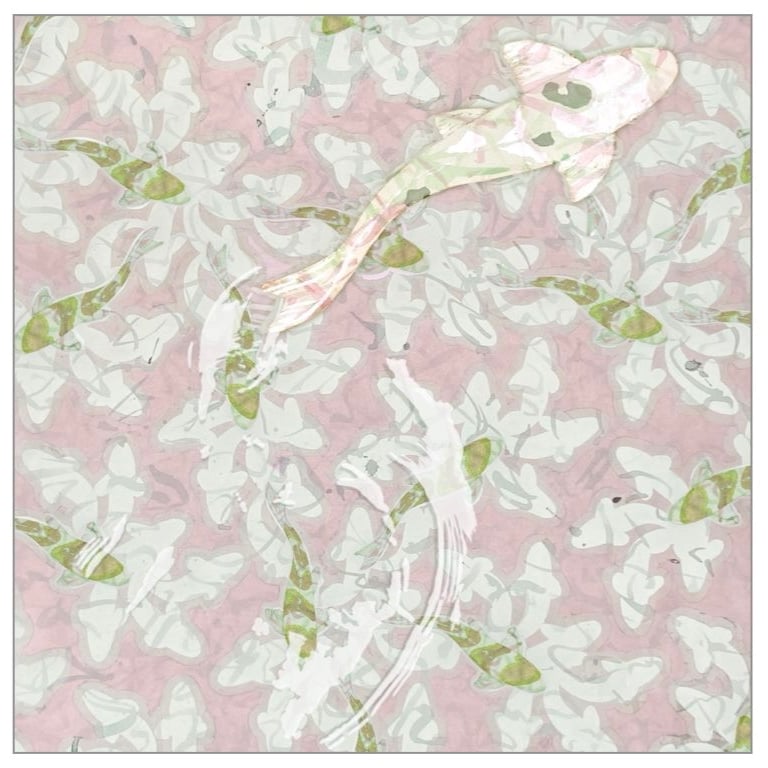
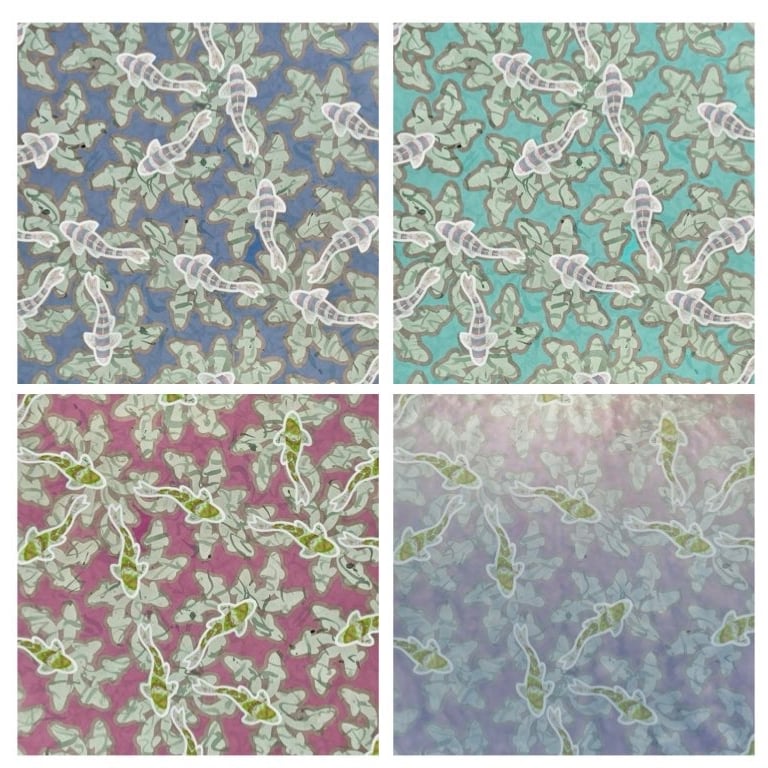
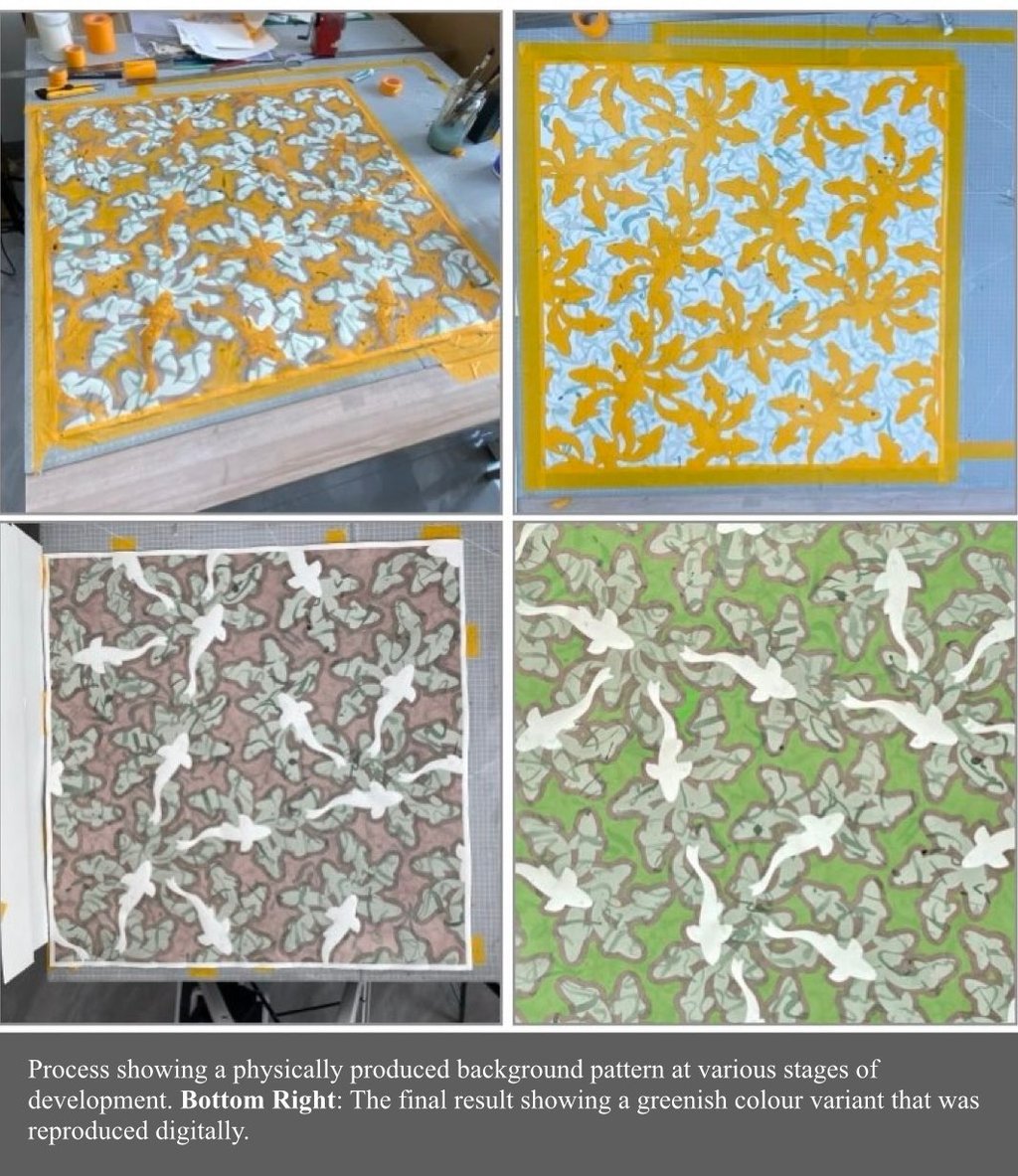
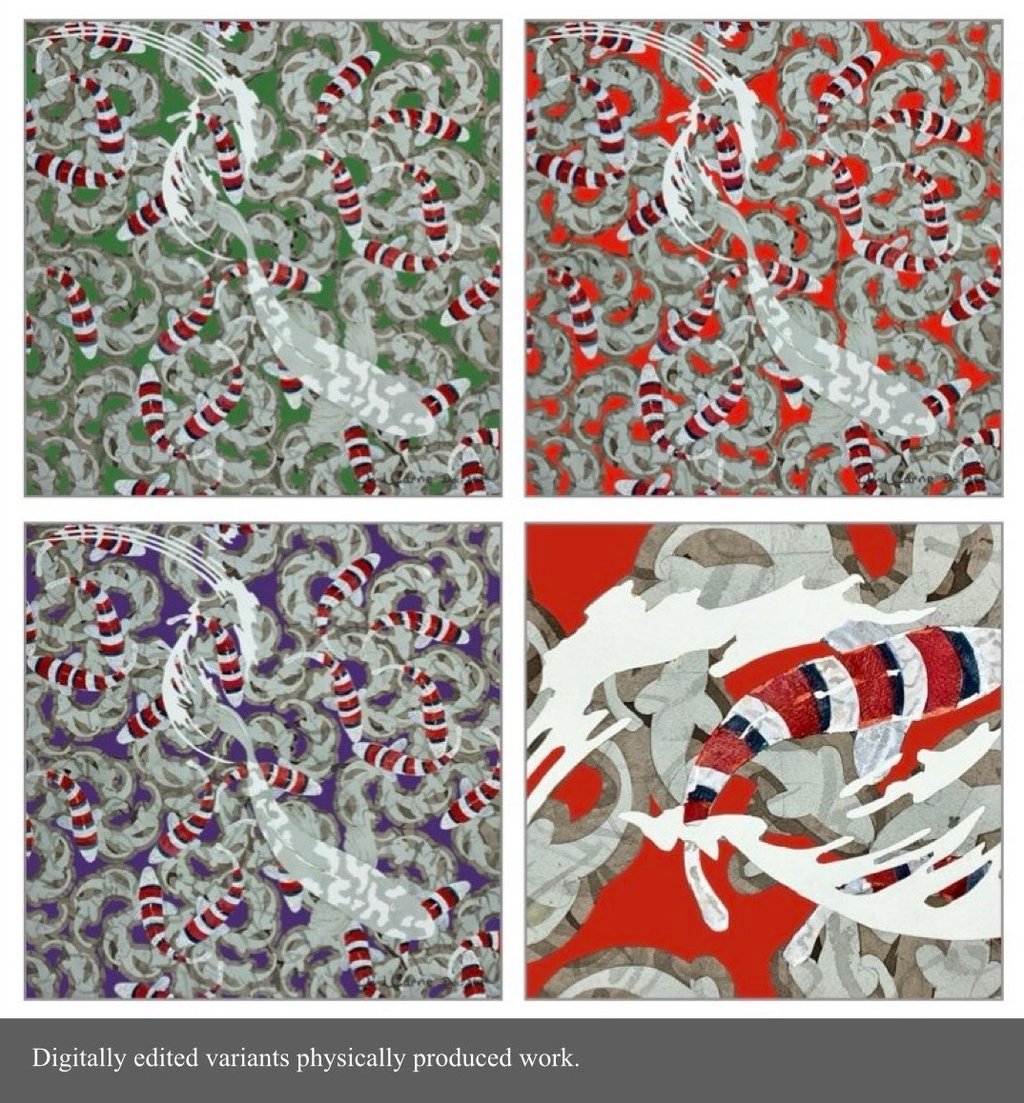
In April 2024, unexpectedly, I found what I believe to be the ideal solution. Below are examples of (my interpretation) how “aperiodic mono-tiles” can be used to create patterns that are non-repetitive.
In my opinion, people are generally hardwired to identify repetitions in patterns. However, as the patternisation formula becomes increasingly complex, identifying repetitions becomes more difficult; subsequently, there is an increased probability that engagement is enhanced as the viewer (in most cases) subconsciously seeks to identify repetitions as a means of understanding the pattern.

Creativity
David Currie: Artist, Designer, Creative Thinker.
CONTACT DAVID CURRIE
MESSAGE
© 2025 David Currie. All rights reserved. Powered By: Chrome Digital